When the Vikings first arrived on British shores in the late eighth century, they came as pagans. Their beliefs centred on gods such as Odin, Thor, and Freyja, and their rituals were rooted in old northern traditions.
PAGAN
Yet within a few generations, the Vikings in England were living as Christians. The change did not happen in one event but unfolded in stages across the ninth, tenth, and early eleventh centuries.
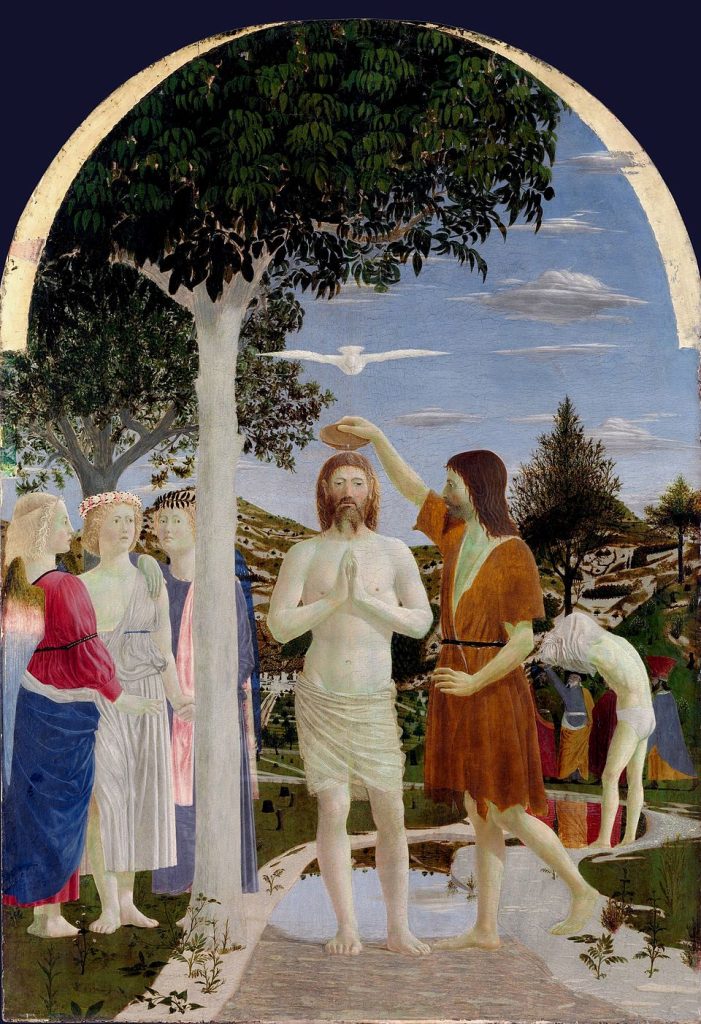
The turning point came in 878, after Alfred the Great defeated the Vikings leader Guthrum. The peace agreement between them included Guthrum’s baptism.
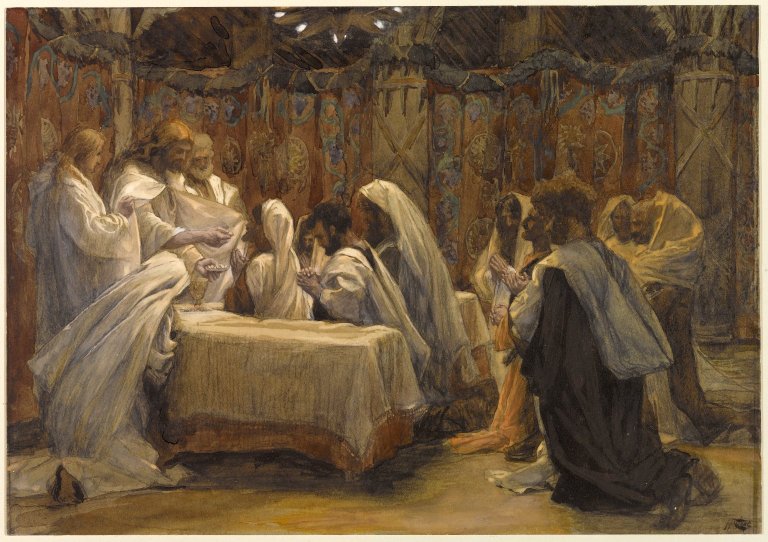
Alfred stood as his sponsor, and the ceremony was more than symbolic. It marked the beginning of a shift within Viking-controlled territories.
DANELAW
The Danelaw, which stretched across much of eastern and northern England, saw a gradual move towards Christian practice. Churches began to appear in towns with Scandinavian populations, and burial customs changed from traditional Norse rites to Christian forms.
Through the tenth century, everyday life accelerated this transition. Viking settlers married into local communities, traded with Christian neighbours, and adopted the customs of the regions in which they lived.
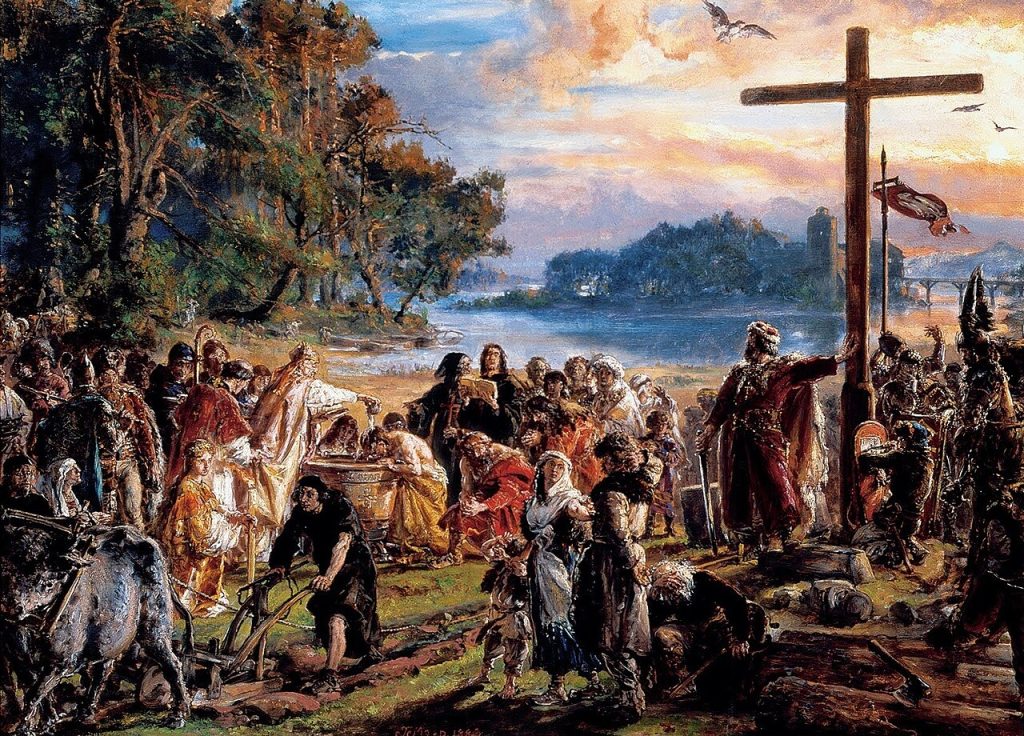
Their children grew up within a Christian framework, and the old religion steadily retreated from public life. Written records, church foundations, and grave finds from this period all show how deeply Christianity took root among former Norse populations.
RELIGION
The eleventh century brought further consolidation. Scandinavian kingdoms themselves were moving towards Christianity, and this influenced England directly.
Kings such as Olaf Tryggvason and Olaf Haraldsson promoted the new faith in Norway, shaping the religious outlook of later raiders and traders. When Cnut became king of England in 1016, he ruled as a Christian monarch, maintaining the established Church and its institutions.
By the early eleventh century, the process was effectively complete. Viking settlers and their descendants were fully integrated into the Christian landscape of England, and their earlier pagan beliefs had faded from everyday practice.