This weeks news in Roman, Saxon and Medieval Britain…Read all about it! From bad names to wonderful villages. This week we have it all.
ROMANS:
Monty Python joked about what the Romans ever did for us… but a new digital map gives a very clear answer. It shows just how vast and organised the Roman road network really was.
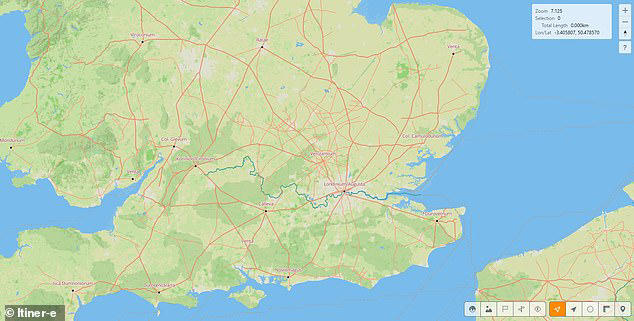
The project … called Itiner-e … lays out the transport system of the Roman Empire as it looked nearly 2,000 years ago. At its height, the network stretched across roughly 1.5 million square miles, linking northern England with France, Spain, Italy, Greece, Turkey and deep into North Africa.
Route Planner
These roads weren’t just dusty tracks. They were engineered routes designed for movement… soldiers, merchants, officials, supplies, grain, tools, wine, even everyday travellers. Chariots and wooden carts pulled by horses covered mile after mile, connecting the empire in a way nothing else at the time could match.
Historians have always known the roads mattered, but this map shows the sheer scale … a system that allowed ideas, goods and people to move quickly through territory that would otherwise have been isolated. It was one of Rome’s greatest achievements… and one we still follow today, often without realising it.
SAXONS:
We tend to picture the Vikings as the great destroyers of early England… burning towns, raiding churches and leaving chaos behind. But modern research shows the story is far less dramatic than the old school-book version.
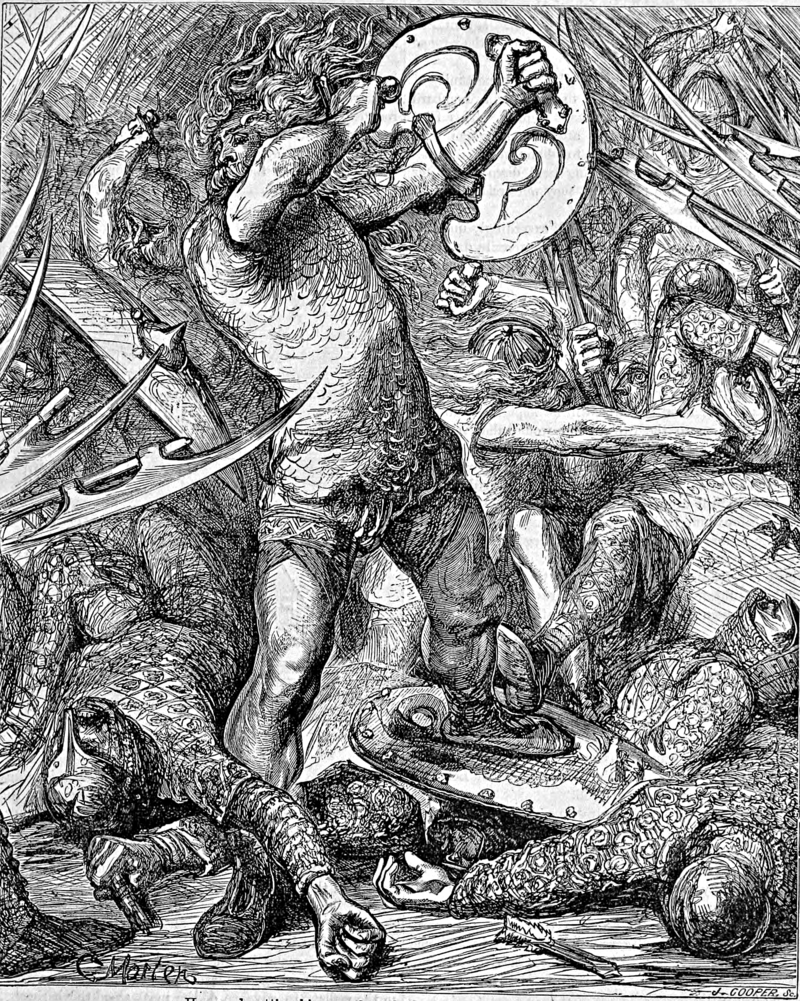
Much of the bad reputation comes from the monks who wrote the accounts…they were the ones attacked, so their anger shaped the narrative. When archaeology, DNA studies and linguistics are added to the picture, the Vikings look more like settlers and traders than relentless destroyers.
Bad Reputation
In fact, the group that changed England far more deeply were the Anglo-Saxons, who arrived around four centuries earlier.
They came from Denmark, northern Germany and the Low Countries, and their arrival led to the near-disappearance of the native Celtic languages in England.
By contrast, Old Norse from the Viking Age left only a light imprint on Old English.
The evidence suggests the Vikings were far less destructive than tradition claims… while the Anglo-Saxons made the bigger, lasting impact!
MEDIEVAL:
The prettiest village in Britain?
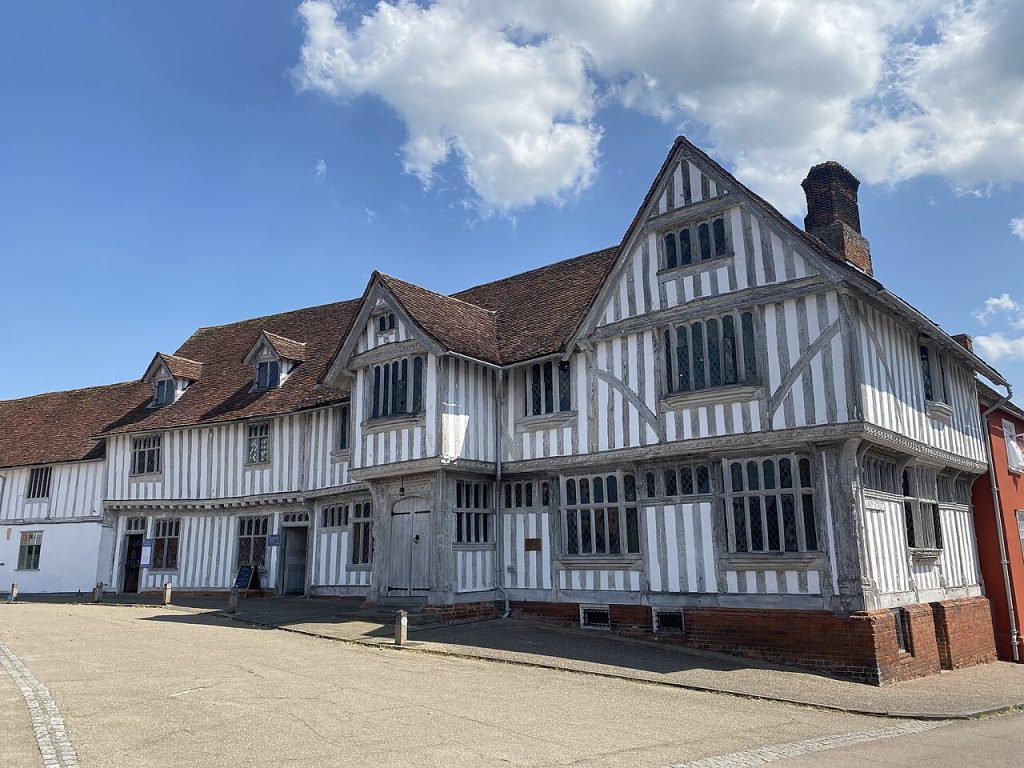
Tucked away in the Suffolk countryside, Lavenham is regularly singled out as one of the prettiest villages in Britain. Its charm comes from the sheer number of medieval buildings that still line its streets… timber-framed houses, uneven cobbles and those famously crooked fronts that make the whole place feel as though it has stepped out of another age.
Back in the 1400s and 1500s, Lavenham was one of the wealthiest towns in England, its prosperity built on the wool trade.
Wealth
The merchants who made their fortunes here left their mark in the form of large, well-built houses and public buildings, many of which survive with their original beams and jettied upper floors.
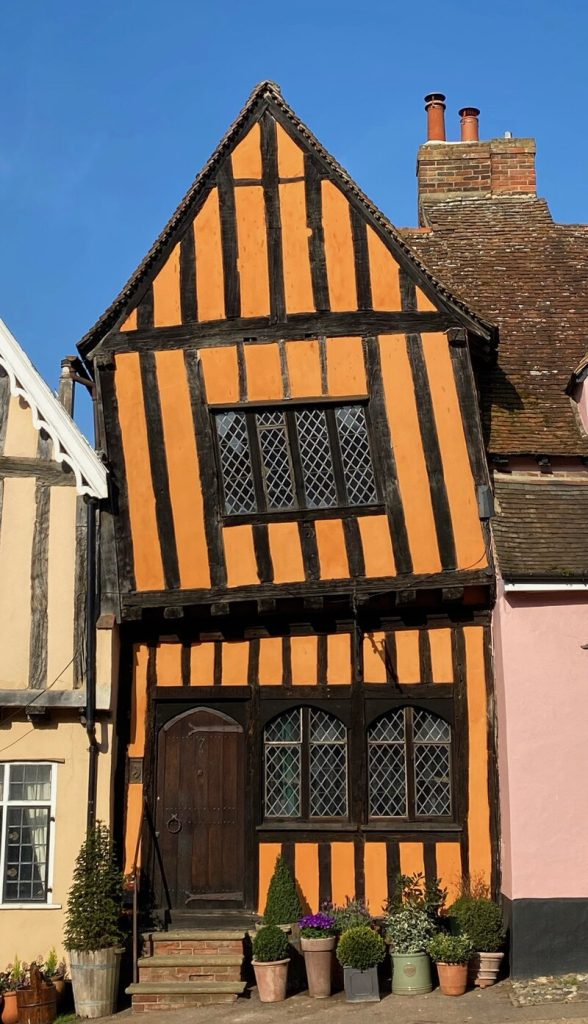
Walk through the village today and the past is never far away. The angled walls, low doorways and narrow lanes give it a storybook look, but they also tell a very real story of a community shaped by medieval trade and craftsmanship. It’s this mixture of history and atmosphere that makes Lavenham feel almost untouched by time.
#MedievalHistoria #Suffolk #Lavenham #History #Architecture #news